H-ton Teachers Explore History Through Virtual Reality
February 25, 2026
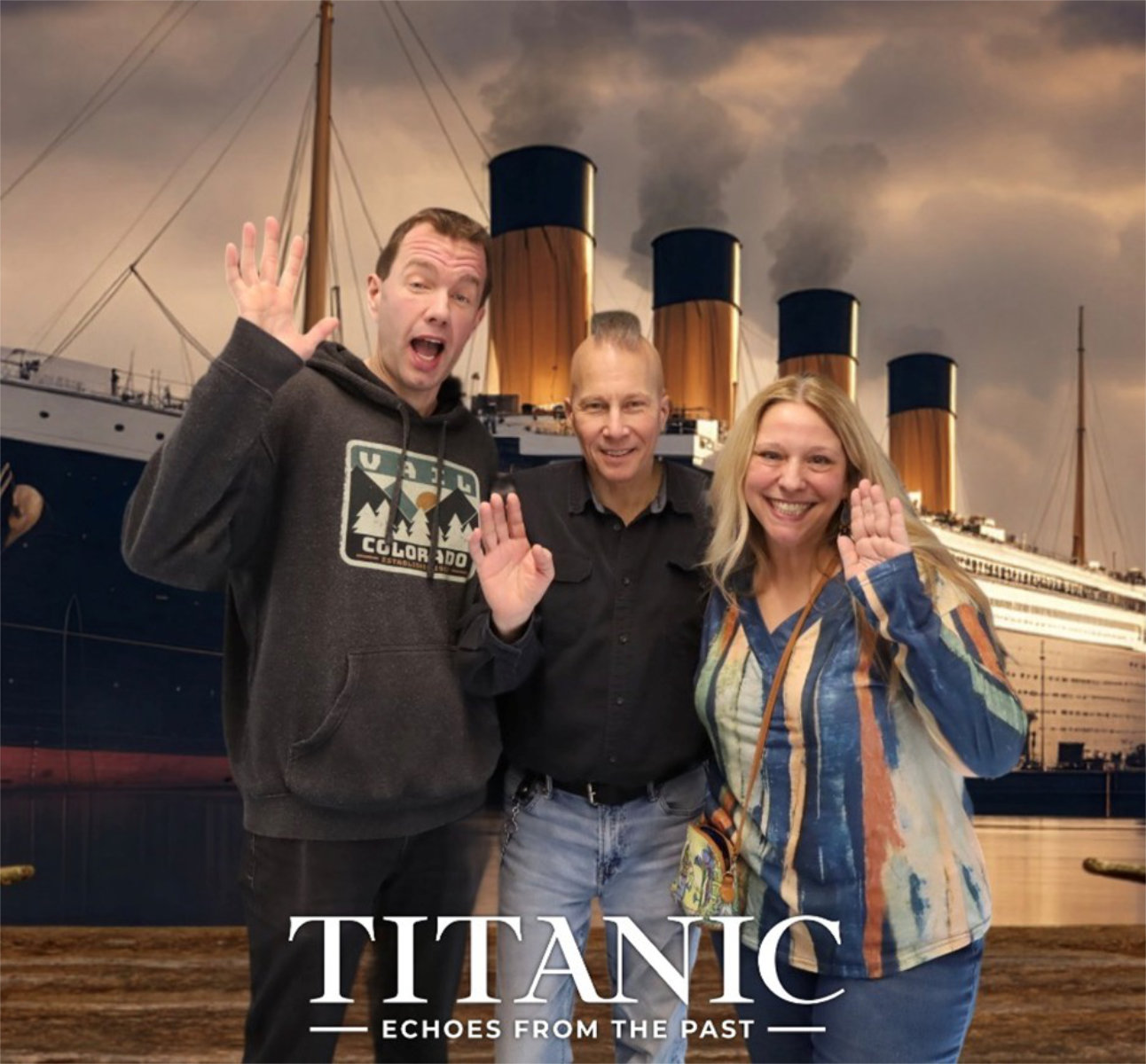
Camille Tedeschi, Peter Crugnale and Erik Bruckbauer are lifelong learners, friends and world travelers who are so full of curiosity that even on a day off these veteran social studies teachers were eager to learn by going on an adventure in New York City, where a new immersive virtual reality exhibit promised something extraordinary: the chance to step into history itself. The VR experiences included a visit to the Roman Colosseum and a journey on the Titanic.
“When the headsets came off, we all stood in awe and excitement from what we just experienced,” Ms. Tedeschi said. Teaching social studies with virtual reality transforms abstract lessons into immersive experiences. Students can virtually visit historic landmarks in New York City, explore ancient ruins in Rome, or walk through pivotal moments in history like the signing of the Constitution in Philadelphia.
According to research and feedback from teachers, VR encourages empathy and deeper understanding by placing learners “inside” different cultures, time periods, and civic events. By blending technology with inquiry-based instruction, teachers can make geography, history, and civics more engaging and memorable for students. Virtual reality is an exciting tool to invite all learners to question, to empathize, to see history as lived reality rather than distant dates.
“Even though I have been to the actual Colosseum, the VR experience gave me an accurate sense of what it would have been like to be in the Colosseum when it was full of people coming to watch the events unfold there,” Mr. Crugnale said. “It helped me to get a sense of being back in time. Virtual reality can be a valuable tool to help students experience historical places and events in a way that no textbook or video could create.”
The three Huntington teachers have long enjoyed a friendship rooted in shared curiosity. Over the years, they hiked through ruins, stood in memorials, navigated foreign subways, and debated history over countless dinners and experiences abroad. That day in New York wasn’t a grand international trip. They hadn’t crossed oceans or stamped passports, but they had stepped into pivotal moments of human history, confronted questions of power, and reconnected with their sense of awe while continuing to learn and grow together as educators and lifelong friends.
“While it is hard to top being in the Roman Colosseum for real, this virtual reality experience helped bring alive what it must have felt like to have experienced the many events put on in the Flavian Amphitheater,” Mr. Bruckbauer said. “The experience allowed you to be a part of the gladiator match in the Colosseum, walk through the Roman Forum and interact with shopkeepers and other locals. This is a great way for teachers and students to experience the past.”
The three Huntington teachers have visited many countries across the globe, but on this day they never left New York City, yet explored different eras in history.
“We explored beneath the Colosseum arena floor, examining the labyrinth of chambers and lifts that brought animals and fighters into the light,” Ms. Tedeschi said. “We climbed to the upper tiers, looking out over the cityscape of ancient Rome. What struck me most wasn’t the spectacle of combat but the complexity of Roman society on display—the engineering ingenuity, the social hierarchy embedded in seating arrangements, the political messaging woven into public entertainment. Travel used to mean boarding a plane, but now it can mean stepping into a headset. It is about perspective, whether you are standing in the real Colosseum or a digital one, you’re trying to understand how people lived, what they valued, and how power worked.”